Frequently Asked Questions

Industry Trends & Market Data

How is the Italian cosmetics industry performing in 2024?

The Italian cosmetics sector is thriving, with national association Cosmetica Italia estimating that by the end of 2024, the industry will surpass €16.6 billion in turnover, marking a +10% increase over 2023, which itself saw a +13% rise. Export plays a crucial role, accounting for nearly 50% of total revenue. Key export markets include the USA, France, Germany, UK, Poland, Emirates, and China. (Source: Cosmetica Italia, 2024)

Which product categories are driving growth in the beauty sector?

Natural, green, and organic products are leading the growth, with a +32% increase in 2023 compared to the previous year. This trend reflects consumer demand for sustainable and eco-friendly cosmetics. (Source: Cosmetica Italia, 2024)

What are the preferred purchase channels for cosmetics consumers?

Mass market (GDO) remains the top channel, generating over 40% of sector revenue in 2023. However, physical channels like perfumeries (+14.2%) and herbalists (+12%) are growing, as are online channels. E-commerce saw a +12.5% increase in 2023 and is projected to grow another +10.1% by year-end. (Source: Cosmetica Italia, 2024)

How important is export for Italian beauty brands?

Export is vital, representing nearly 50% of total industry turnover. Italian beauty products are highly sought after in markets such as the USA, France, Germany, UK, Poland, Emirates, and China. (Source: Cosmetica Italia, 2024)

Digital Challenges for Beauty Brands

What are the main digital challenges facing beauty brands in 2025?

Key challenges include organizing content to reduce manual work, ensuring regulatory compliance, managing multibrand portfolios, supporting influencer marketing, executing multitarget strategies, and delivering high-performing content. These challenges require robust digital asset and product information management solutions. (Source: Original Webpage)

How can beauty brands reduce manual work in content management?

Brands can reduce manual work by centralizing digital assets and product information, streamlining search, update, approval, and publication processes. Solutions like THRON's DAM and PIM platforms enable agile management and automation, minimizing fragmentation and inefficiency. (Source: Original Webpage, Knowledge Base)

What are the compliance requirements for beauty brands?

Beauty brands must ensure accurate product information, including INCI (International Nomenclature of Cosmetic Ingredients), certifications, and copyright details. Centralizing this data in a secure, accessible platform helps avoid legal risks and ensures alignment with business goals. (Source: Original Webpage)

How do multitarget strategies impact content management for beauty brands?

Multitarget strategies increase complexity, requiring brands to tailor content for B2C and B2B audiences across websites, e-commerce, and retail channels. Effective governance of digital assets and product information ensures timely, consistent distribution to each touchpoint. (Source: Original Webpage)

Why is high-performing content crucial for beauty brands?

High-performing content is essential to capture consumer attention, meet user experience expectations, and respond quickly to seasonal events like sales or Black Friday. Dynamic optimization and real-time distribution, powered by AI, enable brands to deliver content at peak performance across all channels. (Source: Original Webpage, Knowledge Base)

THRON Platform Features & Capabilities

What is THRON and what does it offer?

THRON is a SaaS platform that centralizes Digital Asset Management (DAM) and Product Information Management (PIM) functionalities. It enables businesses to manage the entire lifecycle of digital assets and product data, including creation, management, collaboration, distribution, and monitoring. (Source: Knowledge Base)

What are the key features of THRON for beauty brands?

THRON offers unified DAM and PIM, AI-powered automation, centralized repository, omnichannel delivery, content intelligence, seamless integrations, and robust security. These features help beauty brands streamline workflows, ensure compliance, and deliver consistent, high-quality content across all channels. (Source: Knowledge Base)

Does THRON support automation and workflow management?

Yes, THRON automates workflows, asset distribution, and content optimization. Its no-code tools allow users to design, monitor, and execute digital workflows without technical expertise, reducing manual tasks and improving collaboration. (Source: Knowledge Base)

How does THRON help with omnichannel content delivery?

THRON ensures consistent and updated content across all touchpoints, including websites, e-commerce, and retail. Its omnichannel capability automates asset delivery, optimizing content for each channel and improving user experience and conversion rates. (Source: Knowledge Base)

What integrations does THRON offer?

THRON provides API connectors and certified integrations for platforms like AEM, Magento, Shopify, Drupal, WordPress, and SFCC. It also integrates with ERP, creative suites (Adobe CC), IT security tools, and user experience platforms, enabling seamless workflows and data centralization. (Source: Knowledge Base)

Does THRON provide APIs for custom integrations?

Yes, THRON offers modern, robust APIs that allow secure, high-performance integration with any system or endpoint. These APIs simplify workflows and enhance speed. (Source: Knowledge Base)

Use Cases & Customer Success

How did Pettenon Cosmetics benefit from THRON?

Pettenon Cosmetics used THRON Brand Portal to streamline digital asset management, enabling instant updates and real-time sharing with partners. Their digitalization journey improved MarTech stack performance and reduced IT costs. Read the full case study here. (Source: Original Webpage, Knowledge Base)

Can you share other customer success stories with THRON?

THRON has helped brands like Fiorentina, Selle Royal Group, Chervò, CAME, LAGO, PLATUM, Whirlpool, Dainese, Atlas Concorde, and more. For example, Whirlpool reduced e-commerce update time by 99% using THRON AI, and Selle Royal Group achieved brand consistency across 80 markets. Explore all case studies here. (Source: Knowledge Base)

What industries are represented in THRON's case studies?

Industries include Fashion, Sporting Goods, Beauty & Pharma, Manufacturing, Interior Design, Retail, Sports, Ceramics, and E-commerce. See detailed examples here. (Source: Knowledge Base)

Who are some of THRON's customers?

THRON serves clients such as Atlas Concorde, Lago, Twinset, Pettenon Cosmetics, FITT, Platum, Fiorentina, Selle Royal Group, Dainese, Chervò, and CAME. For more, visit our customers page. (Source: Knowledge Base)

Business Impact & Performance

What measurable business impact can THRON deliver?

THRON delivers 90% time savings in asset search, 50% reallocated time to strategic tasks, 99.9% service availability, and a 317% ROI with a payback period under 6 months (Forrester TEI report). Automated asset delivery provides a 7,000 benefit over three years. (Source: Knowledge Base)

How does THRON improve productivity and efficiency?

THRON automates workflows, saving up to 3 months per user per year. Centralized content management recovers 80% of time spent on manual tasks, enabling teams to focus on strategic initiatives. (Source: Knowledge Base)

What cost savings can THRON provide?

THRON reduces IT budgets by 55% by consolidating tools and eliminating integration costs. Efficient product information management also reduces returns, logistical errors, and customer service requests. (Source: Knowledge Base)

Security & Compliance

What security certifications does THRON hold?

THRON is certified for ISO 27001:2022 (information security), ISO 9001:2015 (process quality), ISO 27017:2015 (cloud security), and ISO 27018:2019 (personal data protection). It is fully GDPR compliant. (Source: Knowledge Base)

How does THRON ensure data security and compliance?

THRON follows OWASP principles for secure development, uses infrastructure as code, advanced XDR threat detection, customizable password policies, data encryption, and HTTPS protocol. Data is replicated across AWS data centers for integrity and disaster recovery. (Source: Knowledge Base)

Technical Requirements & Documentation

Does THRON provide technical documentation?

Yes, THRON offers detailed technical documents, including platform architecture infographics and white papers, as well as comprehensive guides on architecture, security, and data management. These resources are essential for IT and digital leaders. (Source: Knowledge Base)

How easy is it to implement THRON?

THRON B2B Area can be activated in less than a week. Customers receive support from a dedicated Customer Success Manager, customized onboarding, training, and access to guides and videos, ensuring a smooth start and minimal learning curve. (Source: Knowledge Base)

Support & Customer Success

What support services does THRON provide?

THRON offers technical assistance via a dedicated support team, a Customer Success Program with personalized onboarding and training, self-service resources (guides, videos), and monthly release notes. Customers can open support tickets for expert help. (Source: Knowledge Base)

How do customers rate the ease of use of THRON?

Customers praise THRON for its user-friendly design and automation. For example, Pettenon Cosmetics reported instant updates and real-time sharing, while other clients highlight simplified asset search, reduced manual updates, and intuitive no-code workflows. (Source: Knowledge Base)

Competition & Differentiation

How does THRON differ from other DAM and PIM solutions?

THRON uniquely combines DAM and PIM in a single platform, eliminating costly integrations and reducing complexity. It offers automation, a single source of truth, omnichannel capability, and a Customer Success Program, supporting various user segments from marketing to IT. (Source: Knowledge Base)

Why should a beauty brand choose THRON over alternatives?

THRON offers unified DAM and PIM, automation, centralized governance, omnichannel delivery, and expert support. It accelerates ROI, maximizes productivity, and ensures compliance, making it ideal for brands seeking efficiency and innovation. (Source: Knowledge Base)

Target Audience & Use Cases

Who can benefit from THRON's platform?

THRON is designed for marketing, e-commerce, operations, digital & CIO, and IT teams across industries such as beauty & pharma, fashion, ceramics, sporting goods, manufacturing, interior design, retail, and automotive. (Source: Knowledge Base)

Is THRON suitable for multibrand and multitarget strategies?

Yes, THRON's centralized platform supports multibrand portfolios and multitarget strategies, enabling brands to manage diverse content and product data efficiently and distribute tailored assets to various audiences and channels. (Source: Original Webpage, Knowledge Base)

Product Performance & Monitoring

How does THRON monitor content performance?

THRON provides omnichannel delivery, content intelligence, and monitoring dashboards to track asset usage and performance. These tools enable data-driven strategies for optimizing information asset management. (Source: Knowledge Base)

What tools does THRON offer for performance monitoring?

THRON's monitoring dashboards keep users updated on the volume and quality of digital asset usage, supporting continuous optimization and strategic decision-making. (Source: Knowledge Base)

Lingua
Richiedi una demo

Beauty & Cosmesi 2025: dati e sfide digitali dei brand

Lo scorso 25 luglio siamo andati live con l’evento “Beauty Brand: il trucco per tagliare i costi IT e agire all’istante su ogni touchpoint“.

Nel corso del webinar Pierpaolo Bironi, Head of E-Commerce di Pettenon Cosmetics, ha raccontato il percorso di digitalizzazione del Gruppo (trovi il caso di studio qui).

THRON Brand Portal per Pettenon Cosmetics

Oltre alla sua preziosa testimonianza, l’incontro è stato per noi l’occasione per razionalizzare le informazioni raccolte dagli esperti del settore e dai nostri clienti della cosmetica.

In questo articolo le vediamo insieme, con uno scorcio sui principali dati e le sfide digitali di maggiore rilievo in vista del 2025.

Come sta la cosmesi italiana?

Decisamente bene.

L’associazione nazionale imprese cosmetiche stima che a fine 2024 il settore supererà i 16,6 miliardi di euro, sfiorando un +10% rispetto al 2023, che a sua volta aveva segnato un +13%.

Il fatturato delle aziende italiane di cosmetica sale.​ Fonte: I numeri della cosmetica, Cosmetica Italia, 2024.​

Un mercato in cui l’export gioca un ruolo determinante, pesando per quasi il 50% del fatturato totale delle imprese nostrane. Tra i paesi più affezionati al beauty italiano troviamo USA, Francia, Germania ma anche UK, Polonia, Emirati e Cina.

A trainare la crescita, in particolare, i prodotti naturali, green e biologici che nell’ultima rilevazione (2023) hanno segnato un +32% rispetto all’anno precedente.

Canali d’acquisto preferiti dai consumatori di cosmetica

In valori assoluti, è la GDO il canale in cui si acquistano di più i prodotti di cosmesi e cura della persona; nel 2023, il mass market ha generato da solo oltre il quaranta percento sul totale del fatturato di settore.

In termini relativi, però, a crescere di più sono altri canali; fisici, come profumerie ed erboristerie – cresciute rispettivamente del 14,2% e del 12% – ma anche online. Gli e-commerce, infatti, hanno segnato un +12,5% e, stando alle proiezioni, a fine anno segneranno un nuovo incremento in doppia cifra (+10,1%).

L’e-commerce è tra i touchpoint beauty cresciuti di più nel 2023.​ Fonte: I numeri della cosmetica, Cosmetica Italia, 2024.​

Per il futuro più prossimo, quindi, occhi puntati sulla relazione con i partner B2B e le prestazioni degli shop online. Ed è anche con queste consapevolezze che ci affacciamo ora alle sfide dei beauty brand per il 2025.

6 sfide dei beauty brand a cui è chiamato a rispondere il digitale

Negli ultimi mesi, ci siamo confrontati con alcuni dei principali produttori di cosmetica che hanno scelto THRON PLATFORM per analizzare con loro e rispondere alle sfide poste dal mercato nel presente e nell’immediato futuro e superabili grazie a un approccio strutturato di Digital Asset Management e Product Information Management.

Ecco le principali.

1. Organizzare i contenuti e le informazioni per ridurre il lavoro manuale

La proliferazione di contenuti e canali di comunicazione degli ultimi anni ha portato a una progressiva frammentazione della conoscenza perché la maggior parte delle aziende, travolta dall’onda digitale, non era pronta a gestire il patrimonio informativo dell’azienda destinato alla rete vendita dei brand, ai partner B2B e ai clienti B2C.

Motivo per cui l’agilità di attività quali ricerca, aggiornamento, approvazione, pubblicazione di asset digitali e informazioni di prodotto non è più un’opzione.
2. Compliance normativa

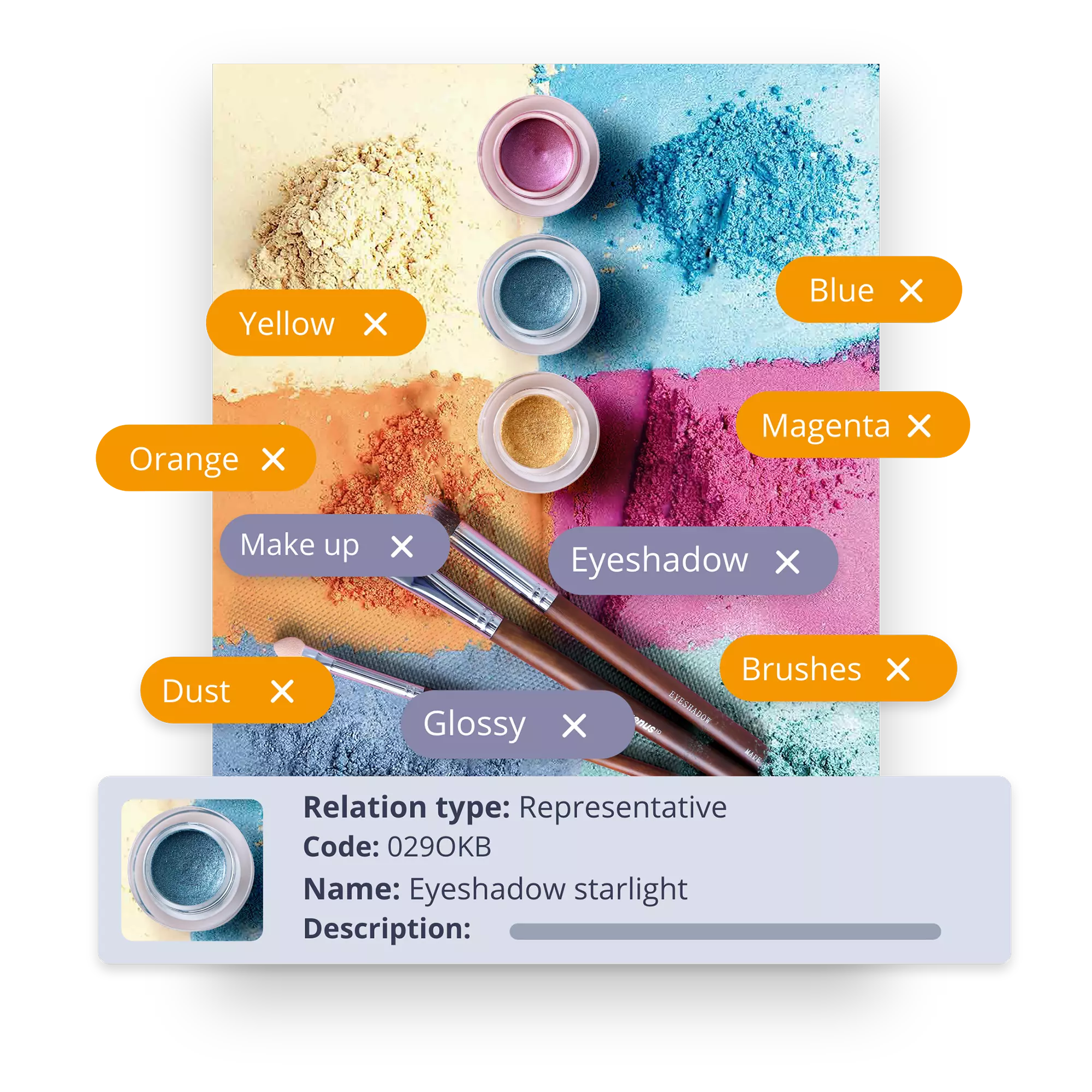
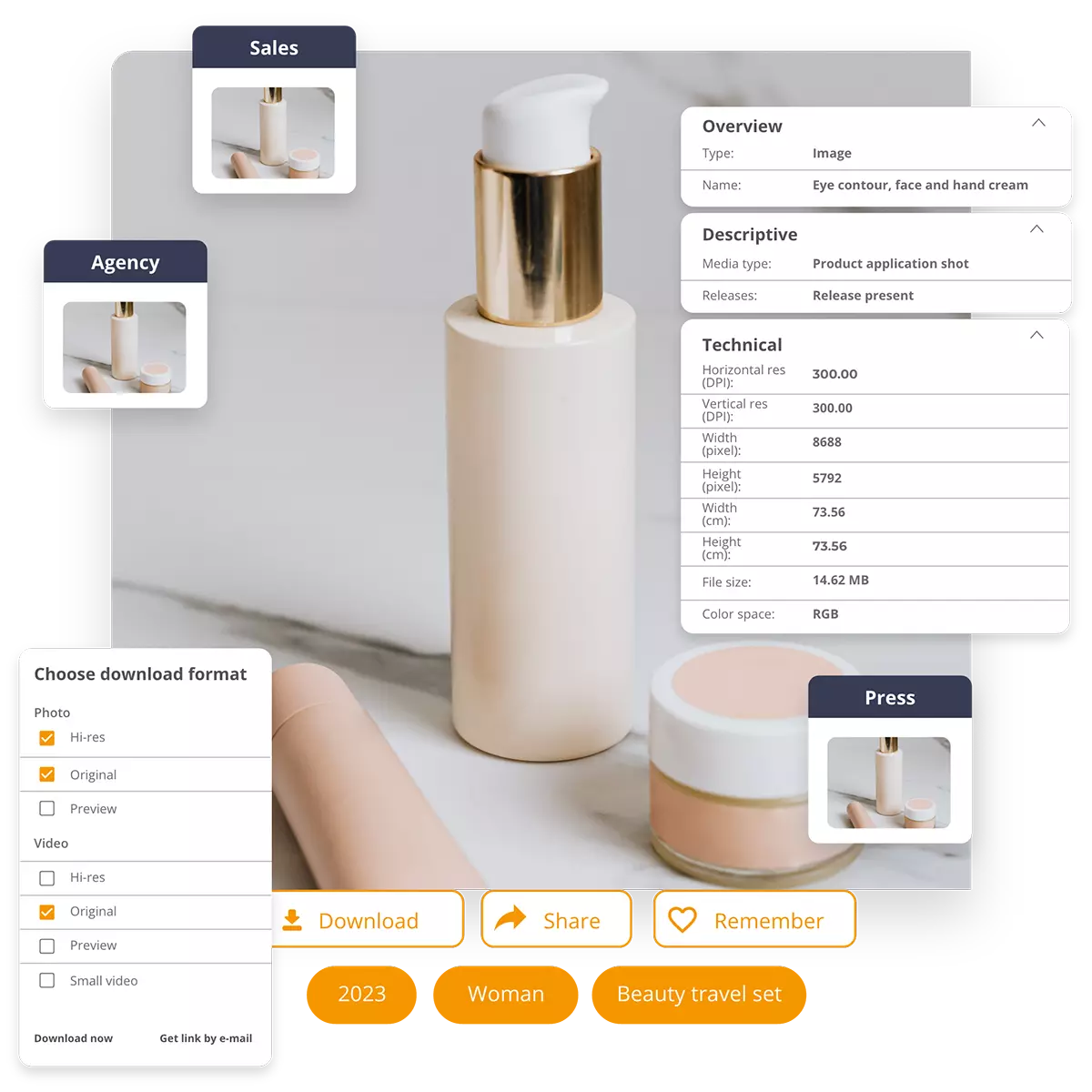
Gli scatti still life di una confezione e il videoclip emozionale di una campagna non sono gli unici elementi fondamentali per comunicare e promuovere un assortimento beauty.

Anche i dati e le informazioni di un articolo sono essenziali. In primis, per guidare la scelta dell’utente. In seconda battuta, per questioni legali.

Un esempio per tutti è l’INCI, acronimo che sta per International Nomenclature of Cosmetic Ingredients, che consiste nell’obbligo di riportare sulla confezione del prodotto l’elenco degli ingredienti in esso contenuti.

Le aziende del beauty offrono al mercato un ampio ventaglio di prodotti, le cui informazioni – non solo relative alle composizioni chimiche ma anche a certificazioni e copyright – devono convergere in uno spazio sicuro, accessibile e in costante dialogo con le mete di business aziendali, per evitare disallineamenti che potrebbero arrecare danni legali.

3. Portafoglio multibrand

Spesso e volentieri le aziende del settore sono veri e propri Gruppi che, sfruttando le economie di scala, aggrediscono fasce di mercato con prodotti e brand differenti.

Uno scenario in cui la frammentazione di contenuti multimediali e dati cruciali per il business trova terreno fertile, alimentata da team che lavorano con logiche e dinamiche differenti all’interno di repository diversi per struttura e tassonomia.

Contesti nei quali la tempestività diventa utopia, così come la visione di insieme, rischiando di mettere a repentaglio l’avvio puntuale di campagne o il lancio di nuovi prodotti e, in definitiva, la redditività di tali iniziative.

4. Influencer marketing (o giù di lì)

Quello degli influencer è un mondo in fermentazione negli ultimi mesi.

Nonostante sia ragionevole ritenerlo soggetto ad evoluzioni consistenti – forse sempre più sbilanciato verso le micro-community – è altrettanto improbabile che il ruolo di Brand Ambassador e affini cessi di esistere.

Figure come testimonial, a prescindere dal numero dei follower, necessitano di un accesso immediato e in tempo reale a informazioni e contenuti aggiornati, siano essi di brand o di prodotto.

Una questione che con la crescente affermazione di micro e mid-tier influencer sarà sempre più centrale, e si tradurrà nella necessità di condividere in modo tempestivo informazioni e asset specifici a seconda del segmento di audience a cui tali figure si rivolgono.

5. Strategie multitarget

Strettamente connesse ai due punti precedenti, le strategie multitarget sono il minimo comune denominatore delle aziende di cosmetica e amplificano il volume di complessità da gestire in termini di contenuti multimediali e dati di prodotto.

In estrema sintesi, basta pensare alle differenze abissali tra gli interlocutori dei mercati B2C e B2B.

A seconda che il posizionamento si concretizzi su siti web, e-commerce o punti vendita monomarca – nel primo caso – oppure con distributori come erboristerie, farmacie e GDO, la governance del patrimonio informativo è cruciale. Solo con essa è possibile distribuire a ciascun interlocutore e touchpoint l’immagine, il video, il template, il video perfetti in termini di versione, formato, qualità e di qualsiasi altro attributo.
6. (Performing) Content is King

Chiudiamo questo set di sfide per il 2025 per il mondo della cosmesi permettendoci di evolvere uno degli enunciati più famosi del marketing. Correva l’anno millenovecentonovantasei quando Bill Gates definiva “Re” il contenuto.

A distanza di quasi tre decenni è ancora così, a patto che il contenuto sia anche performante.

Fenomeni come la guerra dell’attenzione, le crescenti aspettative in termini di esperienze utente degli utenti così come l’esigenza di rispondere a eventi stagionali di breve durata ad elevata intensità (come saldi, Black Friday, e così via) hanno reso evidente che il contenuto non basta più se non è anche tempestivo e fruibile alle massime prestazioni.

Anche in questo caso la governance di asset digitali e informazioni di prodotto – completata dalla distribuzione dei contenuti e dalla loro ottimizzazione dinamica spinta dall’AI, permettono ai brand di beauty e cosmetica performance web (e phygital) superbe e istantanee, a prescindere dal momento e dal carico di lavoro dei team.
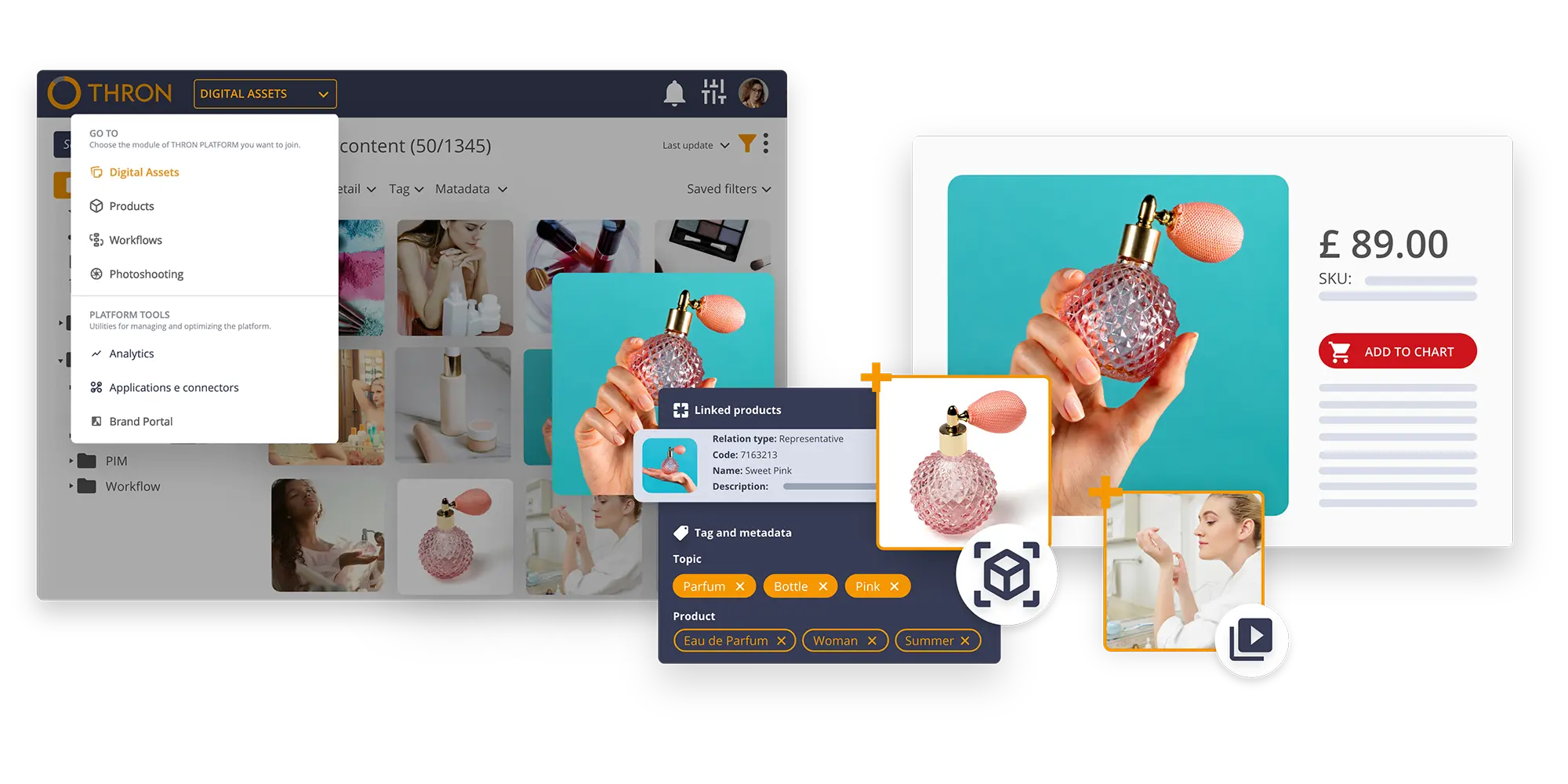
Vuoi scoprire nel concreto come superare queste sfide? Abbiamo un video per te!

Se hai letto sin qui potrebbe farti piacere andare oltre.

A partire dalla testimonianza raccolta nel corso del nostro webinar abbiamo realizzato una clip riassuntiva e sintetizzato i principali KPI del progetto di digitalizzazione dello stack MarTech di Pettenon Cosmetics.

Fossimo in te non ce lo perderemmo 😉

Vuoi ricevere contenuti come questo una volta al mese?

Mettiti in viaggio verso NORTH insieme a oltre 4.500 esseri umani. Con la nostra newsletter riceverai ogni trenta giorni dati, trend e approfondimenti sul mondo del DAM, del PIM e non solo.

Iscriviti alla newsletter di THRON