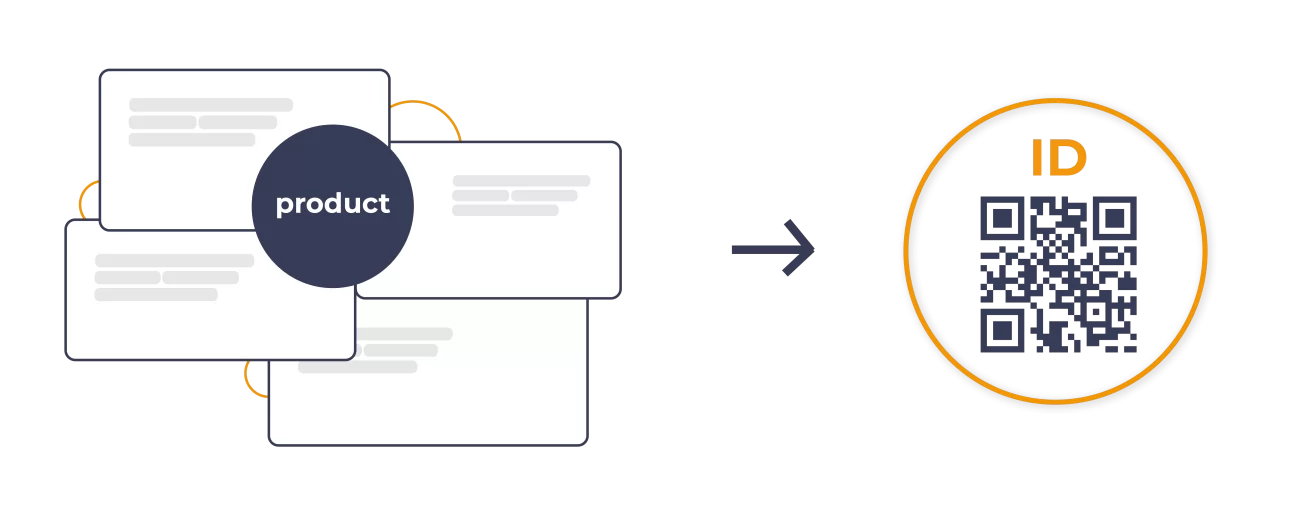
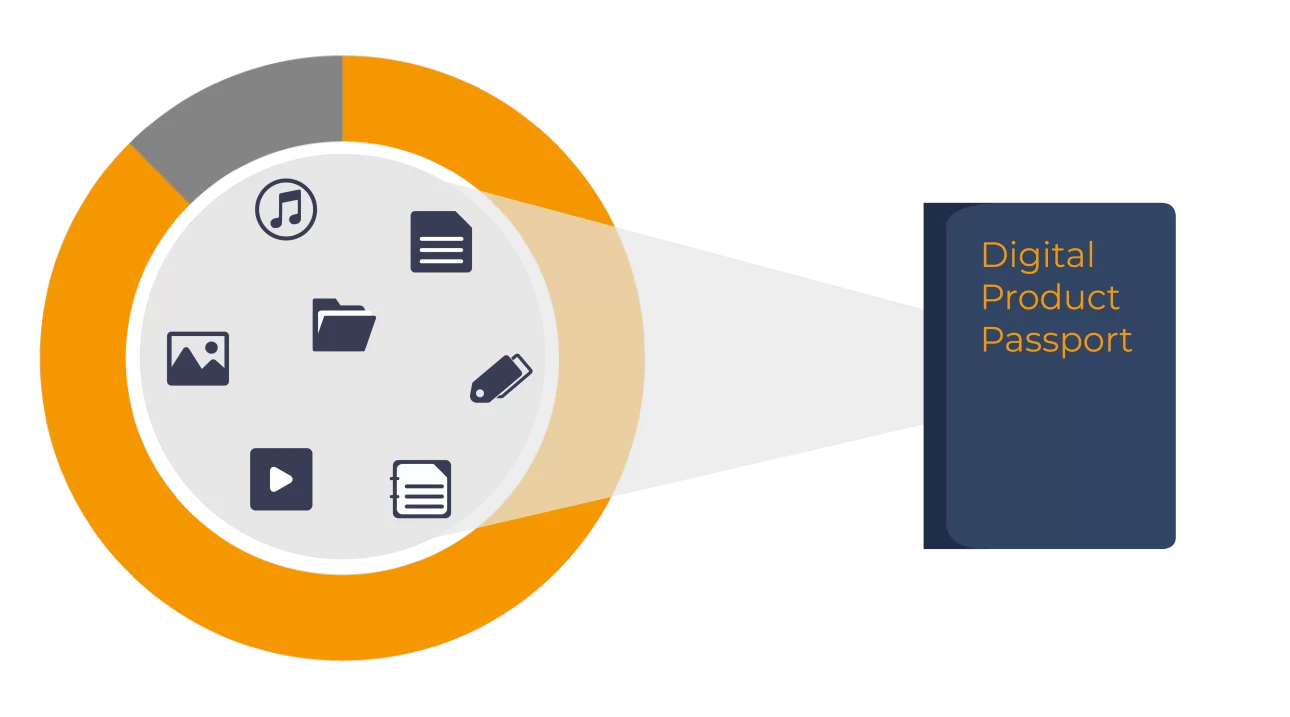
The Digital Product Passport (DPP) is a structured digital profile for each product, accessible via a unique identifier such as a QR code on the product or packaging. It provides verifiable data about the product's composition, origin, repairability, usage, and end-of-life, supporting transparency for consumers and regulatory compliance. [Source]
Who defines the required fields for the Digital Product Passport?
The European Commission defines the required fields for the DPP through delegated acts under the Ecodesign for Sustainable Products Regulation (ESPR). Each product group will have specific requirements, such as materials and dismantlability for furniture or recycled content for metals. [Source]
Is the Digital Product Passport mandatory for all products?
No, the DPP is not yet mandatory for all products. As of now, it is only required for batteries, with other sectors becoming subject to the requirement as their respective delegated acts are published according to the Working Plan 2025–2030. [Source]
What role do standards like GS1 play in the DPP?
Standards such as GS1 Digital Link are essential for uniquely identifying products and connecting the physical code (like a QR code) to authoritative online data. These standards ensure interoperability and scalability across brands, platforms, and countries. [Source]
Can you give an example of how the Digital Product Passport is used?
For example, an aluminum component manufacturer can link certifications of origin and recycled content to the DPP. Customers see public information, technicians access technical specifications, and authorities verify compliance documents, all through role-based access. [Source]
Why is the fashion sector a focus for the DPP?
The fashion and textile sector is among the first product groups prioritized for DPP adoption, with an indicative start in 2027. This is due to its potential to improve product lifespan, material efficiency, and environmental impact. Brands must prepare data on material composition, origin, care instructions, and end-of-life guidance. [Source]
Is blockchain required for the Digital Product Passport?
No, blockchain is not a legal requirement for the DPP. The key is to demonstrate data provenance, integrity, and governance, regardless of the underlying technology. The ESPR does not mandate a specific technical infrastructure. [Source]
How does the DPP connect to my online catalog?
The QR code on the product links to an authoritative online source where the digital passport resides. Using open standards like GS1 Digital Link, the code becomes a smart URL that directs users to the correct product version and displays only the appropriate fields. Centralizing and normalizing your data is essential for effective DPP integration. [Source]
What are the key requirements for DPP implementation?
The main requirements are: a unique product identifier (e.g., QR code), structured and shareable datasets (covering sustainability, composition, repairability, provenance, instructions, and compliance documents), and compatibility with open standards for identification and data exchange. [Source]
Which sectors are affected by the DPP regulation?
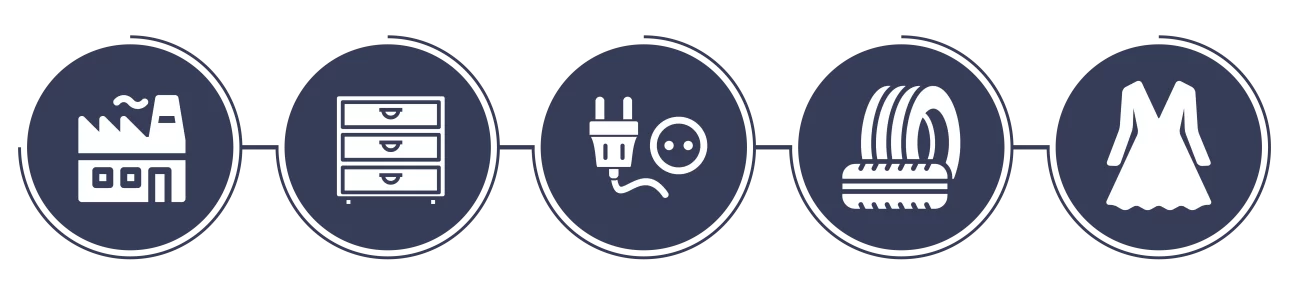
Sectors prioritized for DPP include batteries, metals (iron/steel, aluminum), furniture and mattresses, electronics, tires, and textiles/apparel. Each sector will have specific data and compliance requirements as defined by the European Commission's Working Plan 2025–2030. [Source]
How does the DPP benefit retail and after-sales processes?
The DPP enables verifiable data access for returns, recalls, and repairs at the individual product level, accessible by authorized personnel and customers. This improves transparency, efficiency, and customer trust in retail and after-sales scenarios. [Source]
What organizational steps are needed to prepare for the DPP?
Companies should define data ownership, sources, approval processes, update frequency, visibility classes (public, operator, authority), and versioning. Linking physical supports (QR, RFID) to authoritative online sources using open standards is also essential. [Source]
How does the DPP impact data quality and governance?
The DPP emphasizes data quality over quantity. It requires harmonizing diverse data sources (PIM, ERP/PLM, suppliers, marketing) into a structured, consistent, and accessible format, ensuring reliability and traceability across markets and channels. [Source]
What is the timeline for DPP adoption in different sectors?
The DPP is already mandatory for batteries (from February 18, 2027). For other sectors, adoption will follow the publication of delegated acts as outlined in the European Commission's Working Plan 2025–2030. [Source]
How does the DPP affect product variants and lots?
For sectors like fashion, the DPP requires managing data at the variant (color/size) and, when relevant, lot/supplier level. This ensures traceability and compliance for each unique product instance. [Source]
Are footwear products included in the first wave of DPP adoption?
No, footwear is not included in the initial textile wave. The European Commission has scheduled a dedicated study to assess its inclusion by 2027. [Source]
What is the benefit of using a unified platform like THRON for DPP readiness?
THRON Platform accelerates DPP readiness by centralizing, harmonizing, and governing all product data and digital assets. It enables selective publication to different channels and stakeholders, ensuring data quality, traceability, and compliance with DPP requirements. [Source]
THRON Platform: Features & Capabilities
What is THRON and what does it do?
THRON is a SaaS platform that unifies Digital Asset Management (DAM) and Product Information Management (PIM) functionalities. It centralizes the creation, management, collaboration, distribution, and monitoring of digital assets and product data, streamlining workflows and ensuring brand consistency. [Source]
What are the key features of the THRON Platform?
Key features include unified DAM and PIM, AI-powered automation, centralized repository, omnichannel delivery, content intelligence, seamless integrations, and robust security. These enable efficient asset management, workflow automation, and real-time content updates across all channels. [Source]
Does THRON support integration with other systems?
Yes, THRON offers modern APIs and certified connectors for integration with popular CMS platforms (AEM, Magento, Shopify, Drupal, WordPress, SFCC), ERP systems, creative suites like Adobe CC, IT security tools, and user experience platforms. [Source]
What is THRON Products (PIM) and how does it help with DPP?
THRON Products (PIM) is a dedicated module for importing, managing, and delivering product data from a single platform. It helps companies centralize and govern all product information, which is essential for DPP compliance and readiness. [Source]
How does THRON monitor product and content performance?
THRON provides monitoring dashboards and content intelligence tools that track asset performance, usage, and quality across all channels. This enables data-driven optimization of content strategies and ensures consistent, high-quality information delivery. [Source]
Does THRON offer APIs for custom integrations?
Yes, THRON provides robust, secure, and easy-to-implement APIs that allow integration with any system or endpoint, supporting high-performance workflows and custom business needs. [Source]
What technical documentation is available for THRON?
THRON offers detailed technical documentation, including platform architecture, security, and data management white papers and infographics. These resources are valuable for IT and digital leaders evaluating the platform. [Source]
How does THRON ensure data quality and governance for DPP?
THRON centralizes, normalizes, and governs all product and asset data, maintaining data provenance, versioning, and visibility controls. This ensures reliable, up-to-date, and compliant information for DPP and other regulatory requirements. [Source]
What are the main benefits of using THRON for eCommerce teams?
THRON helps eCommerce teams by centralizing product data and assets, automating workflows, ensuring consistent and high-quality product information, and accelerating time-to-market. This leads to improved user experience and higher conversion rates. [Source]
How does THRON support omnichannel content delivery?
THRON automates asset delivery across all channels, ensuring that content and product information are always up-to-date and consistent, regardless of the touchpoint. This supports seamless omnichannel experiences for customers. [Source]
What pain points does THRON solve for marketing and operations teams?
THRON addresses excessive manual work, inconsistent brand communication, scattered product content, and inefficient workflows by centralizing data, automating processes, and providing a single source of truth for all assets and information. [Source]
How does THRON help with DPP compliance for different industries?
THRON's unified platform supports DPP compliance by enabling centralized management of product data, versioning, access control, and selective publication for sectors like fashion, manufacturing, electronics, and more. [Source]
Implementation, Support & Security
How long does it take to implement THRON?
THRON's B2B Area can be activated in less than a week. Customers benefit from dedicated onboarding, training, and resources to ensure a smooth and efficient start. [Source]
What support services does THRON offer?
THRON provides technical assistance, a Customer Success Program with personalized onboarding and training, self-service resources, and monthly release notes to keep customers informed and supported. [Source]
What security and compliance certifications does THRON have?
THRON is fully GDPR compliant and holds internationally recognized certifications including ISO 27001:2022, ISO 9001:2015, ISO 27017:2015, and ISO 27018:2019. The platform follows OWASP principles and leverages AWS infrastructure for robust security. [Source]
How does THRON ensure data integrity and availability?
THRON replicates data across multiple AWS data centers, uses advanced threat detection (XDR), and maintains a 99.9% service availability with a 100% delivery SLA, ensuring data remains intact and accessible even after catastrophic events. [Source]
What feedback have customers given about THRON's ease of use?
Customers highlight THRON's intuitive design, automation capabilities, and efficiency. For example, a CMO at a manufacturing company noted that asset searches now take "two clicks," and a fashion company manager praised the real-time channel updates. [Source]
What is the Customer Success Program at THRON?
THRON's Customer Success Program pairs each customer with a specialist who provides customized onboarding, training, proactive monitoring, and consultancy to ensure optimal use of the platform and accelerated ROI. [Source]
Use Cases, Benefits & Industry Coverage
Who can benefit from using THRON?
THRON is designed for marketing, e-commerce, operations, digital/CIO, and IT teams across industries such as fashion, ceramics, beauty & pharma, sporting goods, manufacturing, interior design, retail, and automotive. [Source]
What business impact can customers expect from THRON?
Customers can achieve up to 90% time savings in asset searches, 50% time reallocation to strategic activities, 317% ROI (Forrester TEI study), and 55% IT budget reduction by consolidating tools. [Source]
Can you share some customer success stories with THRON?
Yes, notable customers include Fiorentina (sports), Selle Royal Group (manufacturing), Chervò (fashion), CAME (manufacturing), LAGO (interior design), Platum (e-commerce), Whirlpool (appliances), Dainese (sporting goods), and Pettenon Cosmetics (beauty & pharma). Each has achieved measurable improvements in asset management and time-to-market. [Source]
What industries are represented in THRON's case studies?
Industries include fashion, sporting goods, beauty & pharma, manufacturing, interior design, retail, sports, ceramics, and e-commerce. [Source]
How does THRON compare to other DAM and PIM solutions?
THRON uniquely combines DAM and PIM in a single platform, eliminating the need for costly integrations and reducing complexity. It offers automation, a single source of truth, omnichannel capability, and a dedicated Customer Success Program, making it suitable for diverse business needs. [Source]
What are the main differentiators of THRON for different user segments?
For marketing teams, THRON reduces manual work and ensures brand consistency. E-commerce teams benefit from faster time-to-market and improved user experience. Operations teams gain streamlined workflows, while IT and digital leaders appreciate simplified integration and governance. [Source]
What is the measurable ROI of using THRON?
A Forrester study found that businesses using THRON can achieve a 317% ROI with a payback period of less than 6 months. Automated asset delivery alone provides a financial benefit of 7,000 over three years. [Source]
How does THRON help with regulatory compliance beyond DPP?
THRON's robust security, compliance certifications, and centralized governance help companies meet a wide range of regulatory requirements, including GDPR and industry-specific standards, in addition to DPP. [Source]
Digital Product Passport: cosa cambia per i team eCommerce
Il Digital Product Passport (DPP) è un “fascicolo digitale” che sta per cambiare come le aziende raccolgono, governano e distribuiscono i dati di prodotto. Nasce nel quadro del nuovo Regolamento UE sulla progettazione ecocompatibile (ESPR) e diventa obbligatorio tramite atti delegati della Commissione Europea settore per settore, in primis batterie e tessile. In questo articolo scoprirai nel dettaglio cos’è, a chi interessa e come prepararsi al meglio.
Indice
Digital Product Passport cos’è: definizione semplice
Il Digital Product Passport è una raccolta strutturata di dati associata a ogni singolo prodotto, con scopo e diritti d’accesso predefiniti, collegata a un identificatore univoco accessibile tramite un supporto elettronico (come un QR code sul packaging) che espone un set controllato di dati su provenienza, riparabilità, uso, composizione e fine vita. Pensato per tutelare consumatore e ambiente, è l’idea di fondo dei progetti europei come CIRPASS, concepito per armonizzare struttura e diritti di accesso ai dati lungo il ciclo di vita.
Perché impatta i team eCommerce (e non solo)
Per chi gestisce cataloghi, schede e arricchimento dei prodetti, il Digital Product Passport porta i dati di prodotto a un nuovo livello di qualità, coerenza e tracciabilità. Non basta più “una buona scheda”: servirà creare e mantenere un modello dati coerente, governare versioni e fonti, tracciare provenienza e trasformazioni (materiali, componenti, fornitori), e distribuire porzioni di informazioni a pubblici diversi (dal consumatore alle autorità o riciclatori). In altre parole, il DPP rende strategico ciò che spesso è percepito come “solo” operatività: governance dei dati e integrazione tra sistemi di eCommerce, gestione contenuti e supply chain.
Ma il DPP non vive solo online: il data carrier fisico (es. QR code) applicato su prodotto o packaging abilita la consultazione in negozio, al banco assistenza e nel post-vendita. Per il retail significa gestire resi, richiami e riparazioni con dati verificabili sul singolo articolo, accessibili al personale autorizzato e ai clienti.
Requisiti chiave del DPP: identificatori, dataset, accessi
Tre pilastri sono già chiari:
Identificatore univoco del prodotto, risolto tramite un supporto elettronico come un QR code. In pratica, il consumatore inquadra il codice sul packaging e accede a una pagina web dedicata dove può verificare autenticità, materiali, provenienza e tutte le altre informazioni relative a quel specifico prodotto. Nel caso delle batterie, la normativa UE richiede l’accesso al battery passport proprio attraverso questa modalità, collegando il QR code a un identificatore unico.
Dataset strutturati e condivisibili: il contenuto preciso sarà definito per settore dagli atti delegati, ma coprirà tipicamente attributi di sostenibilità, composizione/materiali, riparabilità, provenienza, istruzioni e documenti di conformità.
La compatibilità tra sistemi e i livelli di accesso richiederanno l’uso di standard aperti per identificazione e scambio dati. Il consumatore deve poter risalire al proprio prodotto attraverso canali verificati, che si tratti di portali proprietari del brand, di piattaforme di terze parti certificate o di sistemi standardizzati come GS1 Digital Link.
Molte informazioni, quindi, esistono già: anagrafiche prodotto, distinta materiali, manuali, certificati di conformità. La vera differenza sta nel centralizzarle, normalizzarle e governarle per esporle con qualità e controllo quando sarà necessario.
Tempistiche e quadro normativo europeo essenziale
Il Digital Product Passport è un quadro previsto dall’Ecodesign for Sustainable Products Regulation (Regolamento UE 2024/1781):la Commissione Europea stabilirà requisiti ecodesign e di informazione per gruppi di prodotti tramite atti delegati, e il DPP sarà lo strumento per archiviare e condividere questi dati lungo la catena del valore.
È già realtà in un primo ambito: con il Regolamento (UE) 2023/1542 su batterie e rifiuti di batterie, il battery passport sarà obbligatorio dal 18 febbraio 2027 per alcune categorie (ad esempio batterie per veicoli elettrici e industriali), accessibile via QR.
Per gli altri settori, la Commissione ha adottato il Working Plan 2025–2030 che prioritizza prodotti finali e intermedi: manifattura e metalli (ferro/acciaio, alluminio), arredo e materassi, elettronica, pneumatici e tessile/abbigliamento.
Settori interessati: dove e come si applica il DPP
Manifattura e prodotti intermedi (metalli) Per ferro/acciaio e alluminio, il DPP mira a tracciare composizione, provenienza, contenuto riciclato e certificazioni lungo la filiera, con benefici per macchinari, componentistica e semilavorati che ereditano quelle informazioni. Implicazioni pratiche: mappare bene la distinta materiali, collegare certificati e gestire versioni per lotto e fornitore.
Arredo e materassi L’attenzione cade su materiali, sostanze, smontabilità e indicazioni di riuso. Per chi gestisce cataloghi significa arricchire gli attributi strato/materiale e collegare documenti di conformità che saranno richiamati dal Digital Product Passport.
Elettronica I passaporti abilitano riparabilità e riciclo: codici ricambio, manuali, firmware, componenti e sostanze.
Pneumatici Attesi requisiti su resistenza all’usura, microplastiche, prestazioni d’uso e recupero a fine vita: il Digital Product Passport collega etichettatura regolatoria e dati di circolarità, con benefici per ricambi e post-vendita.
Focus fashion: perché il tessile è tra i primi e cosa cambia
Il settore tessile/abbigliamento è tra i primi prodotti finali nella tabella del Working Plan, con adozione indicativa nel 2027: il suo potenziale di migliorare durata d’uso, efficienza d’uso dei materiali e impatto ambientale lo rende una priorità. Gli studi del Servizio Ricerca del Parlamento Europeo (EPRS) per il tessile evidenziano la necessità di una struttura dati con accessi differenziati (pubblici/riservati) lungo la filiera, dall’approvvigionamento delle fibre fino al riciclo.
Per i team eCommerce moda, l’impatto pratico è triplo:
Gestire la composizione e l’origine dei materiali per variante (colore/taglia) e, quando richiesto, per lotto/fornitore.
Collegare il prodotto fisico al digitale con QR code su cartellino o packaging, che punta alla fonte autorevole del passaporto.
Separare le viste: alcune informazioni devono essere pubbliche (es. istruzioni di uso/lavaggio), altre riservate a operatori o autorità (es. certificazioni di sostanze).
Attenzione: le calzature non rientrano nella prima ondata tessile; la Commissione ha programmato uno studio dedicato per valutarne l’inclusione entro il 2027.
Dai dati interni al passaporto: come mettersi in condizione
Il punto di partenza è organizzativo. Per ogni attributo va definito chi lo possiede (owner), da dove proviene (fornitore, reparto qualità, sistemi gestionali), come viene approvato e con quale frequenza si aggiorna. Vanno progettate classi di visibilità (pubblica, operatori, autorità) e versioni per tenere traccia dei cambiamenti senza perdere la storia del dato. Infine, bisogna preparare il collegamento tra supporto fisico (QR, RFID) e fonte autorevole online usando standard aperti (es. GS1 Digital Link) che rendono il codice un link al dato.
Come mettere ordine in vista del Digital Product Passport
Il Digital Product Passport non premia la quantità di dati, ma la qualità. Si alimenta Si alimenta di una molteplicità di informazioni disomogenee: dati descrittivi, dati tecnici di composizione, informazioni di provenienza, indicazioni su durata/fine vita e asset digitali descrittivi (immagini, manuali, etichette). Questi elementi arrivano tipicamente da fonti molteplici e frammentate: dai sistemi PIM per anagrafiche e attributi, ERP/PLM o direttamente dai produttori/fornitori per composizione, provenienza e fine vita, e dal marketing per i contenuti editoriali e visivi. La sfida sta nell’armonizzare questa varietà di dati in un formato strutturato che garantisca coerenza e accessibilità.
La THRON Platform funge da acceleratore di uniformazione e governance: una fonte unica per gestire dati affidabili, contestualizzati e governati, pubblicandoli in modo selettivo verso canali e interlocutori diversi. Il software, potenziato dall’intelligenza artificiale, raccoglie e uniforma tutte le informazioni dalle diverse sorgenti in un modello coerente, mantenendo origine e responsabilità di ogni dato. Le informazioni vengono poi associate ai relativi asset digitali, rendendole disponibili in modo controllato per mercati, canali e tipologie d’uso differenti.
Il beneficio è duplice: controllo qualità interno (dati affidabili, aggiornati, verificabili, con storia delle modifiche) e informazione in tempo quasi reale al consumatore e agli altri interlocutori (dai retailer ai partner di post-vendita), senza duplicazioni o incoerenze tra Paesi, lingue e canali. Il risultato per team eCommerce, prodotto, qualità, sostenibilità e legale è una prontezza DPP più rapida e con meno attriti.
Domande frequenti (FAQ)
Cos’è, in pratica, il Digital Product Passport? È un profilo digitale del singolo prodotto, aperta da un QR/tag sul bene o sul packaging che mostra dati verificabili lungo il ciclo di vita (cosa contiene, come si usa/si ripara, come si ricicla). Esempio: scansiono una giacca e vedo composizione, istruzioni di lavaggio, riparazioni possibili e come conferirla a fine vita.
Chi decide i campi da compilare? La Commissione Europea, con atti delegati previsti dall’ESPR per ogni gruppo di prodotti. Esempio: per arredamento potrebbero prevalere dati su materiali e smontabilità; per pneumatici su usura e recupero; per metalli su contenuto riciclato e certificazioni.
È già obbligatorio per tutti? No: è un quadro in progressivo avvio. Attualmente è obbligatorio solo per le batterie, negli altri settori l’obbligo scatterà alla pubblicazione dei rispettivi atti delegati secondo il Working Plan 2025–2030.
Che ruolo hanno gli standard (es. GS1)? Servono per identificare in modo univoco prodotti e collegare il codice fisico al dato autorevole online (es. GS1 Digital Link). Senza standard, il DPP non scala e non resta interoperabile tra attori e Paesi.
Un esempio di applicazione del Digital Product Passport? Un produttore di componenti in alluminio collega certificazioni di origine e contenuto riciclato al passaporto: il cliente vede le info pubbliche; il tecnico, con profilo operatore, accede a specifiche e schemi; l’autorità verifica documenti e conformità.
Perché il focus sul fashion? Perché tessile/abbigliamento è tra i primi prodotti finali nella tabella del Working Plan, con adozione indicativa nel 2027: significa che i brand moda devono organizzare per tempo dati e processi. I campi da preparare sono composizione e origine dei materiali, istruzioni d’uso/lavaggio/riparazione, documenti di conformità, indicazioni di fine vita (raccolta/riciclo). Vanno previsti varianti e lotti quando rilevanti, e una vista pubblica distinta da quella per autorità/operatori.
Serve la blockchain? Non è un obbligo di legge. Conta poter dimostrare provenienza, integrità e governance dei dati, indipendentemente dall’infrastruttura tecnica scelta. L’ESPR non prescrive una singola tecnologia.
Come si collega al mio catalogo online? Il QR sul prodotto rimanda a una fonte autorevole dove risiede il passaporto digitale. Con standard aperti come GS1 Digital Link, il codice in etichetta diventa un URL intelligente che porta alla versione corretta (variante, lotto) e mostra solo i campi corretti. Se oggi i tuoi dati sono dispersi, l’investimento più utile è centralizzarli, normalizzarli e renderli fruibili.
Vuoi ricevere contenuti come questo una volta al mese?
Mettiti in viaggio verso NORTH insieme a oltre 4.500 esseri umani. Con la nostra newsletter riceverai ogni trenta giorni dati, trend e approfondimenti sul mondo del DAM, del PIM e non solo.