Digital Product Passport: Definition & Regulatory Requirements
What is the Digital Product Passport (DPP)?
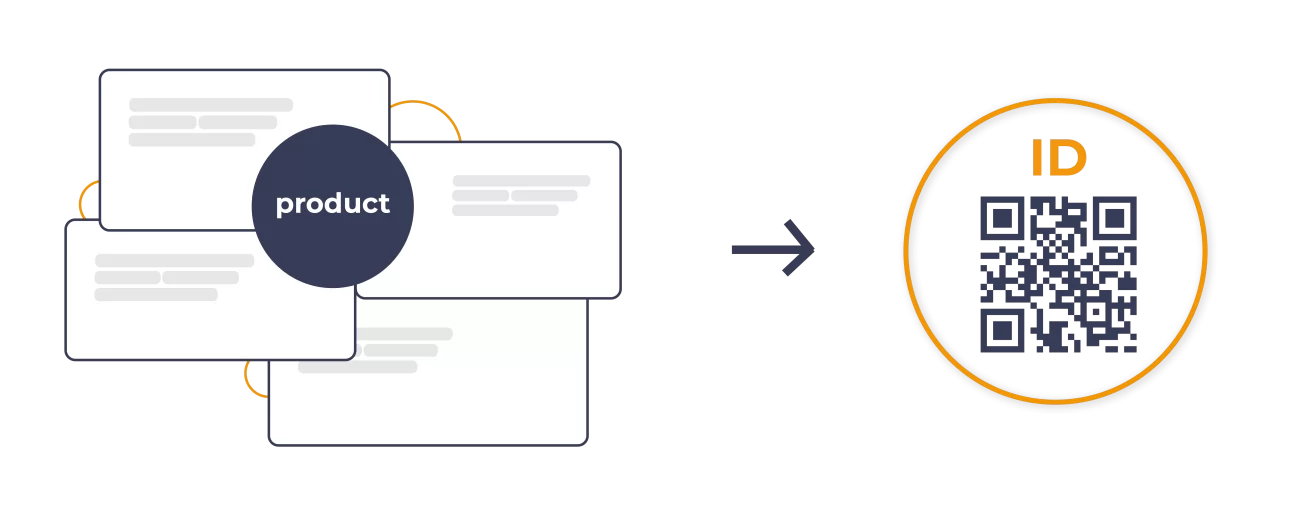
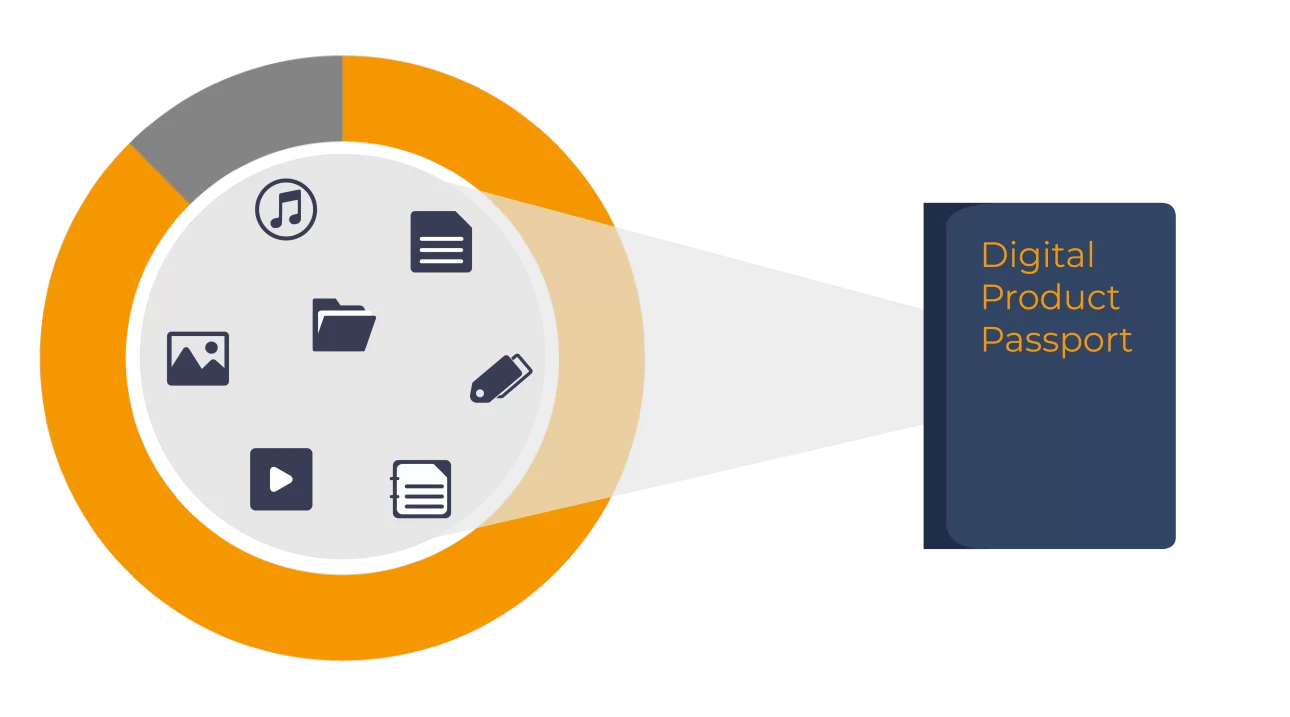
The Digital Product Passport (DPP) is a structured digital dossier associated with each individual product. It contains verifiable data on origin, repairability, use, composition, and end-of-life, linked to a unique identifier accessible via an electronic carrier (such as a QR code). The DPP is designed to protect consumers and the environment and is mandated by the EU Regulation on Ecodesign (ESPR). Learn more about CIRPASS.
Who determines which fields must be included in the Digital Product Passport?
The European Commission defines the required fields for each product group through delegated acts under the Ecodesign for Sustainable Products Regulation (ESPR). For example, furniture may require materials and disassembly data, tires may focus on wear and recovery, and metals on recycled content and certifications. See EU Regulation 2024/1781.
Is the Digital Product Passport mandatory for all products?
No, the DPP is being progressively rolled out. It is currently mandatory only for batteries, with other sectors to follow as delegated acts are published according to the Working Plan 2025-2030. For batteries, Regulation (EU) 2023/1542 makes the battery passport mandatory from February 18, 2027. Read more about battery passport.
What are the key requirements for a Digital Product Passport?
The DPP must include: 1) a unique product identifier (often via QR code), 2) structured and shareable datasets (covering sustainability, composition, repairability, origin, instructions, compliance), and 3) compatibility between systems and access levels using open standards for identification and data exchange (e.g., GS1 Digital Link).
Which sectors are affected by the Digital Product Passport?
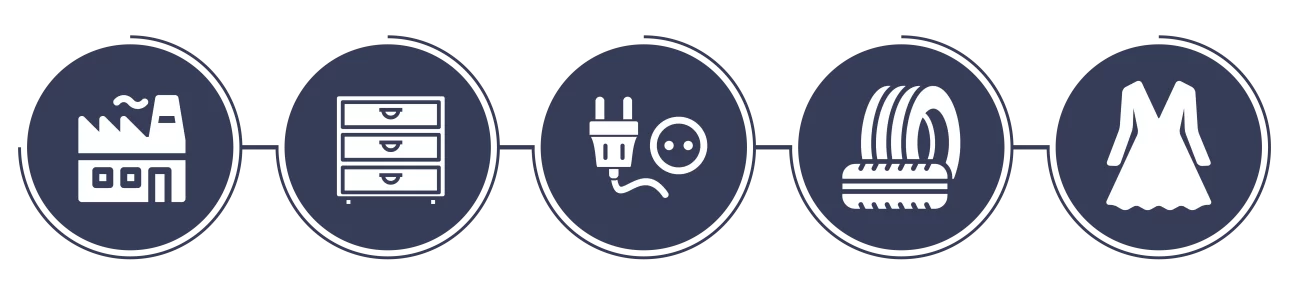
The DPP applies to manufacturing and intermediate products (metals), furniture and mattresses, electronics, tires, and textiles/apparel. Each sector has specific requirements, such as tracking composition and origin for metals, materials and disassembly for furniture, repairability for electronics, and wear resistance for tires. Textiles/apparel are among the first final products with indicative adoption in 2027.
Why is the fashion and textiles sector prioritized for DPP adoption?
Textiles/apparel are prioritized due to their potential to improve product durability, material use efficiency, and environmental impact. The European Parliament Research Service (EPRS) highlights the need for differentiated data access along the supply chain. Indicative adoption is set for 2027, requiring brands to organize data and processes in advance.
Is blockchain required for Digital Product Passport compliance?
No, blockchain is not a legal requirement for DPP. What matters is the ability to demonstrate provenance, integrity, and data governance, regardless of the technical infrastructure. The ESPR does not prescribe a single technology.
What role do standards like GS1 Digital Link play in DPP?
Standards such as GS1 Digital Link are essential for uniquely identifying products and linking physical codes (e.g., QR codes) to authoritative online data. They ensure interoperability between actors and countries, allowing the DPP to scale effectively.
How does the Digital Product Passport connect to online catalogs?
The QR code on the product links to an authoritative online source where the digital passport resides. Open standards like GS1 Digital Link turn the code into an intelligent URL, leading to the correct version (variant, batch) and displaying only the relevant fields. Centralizing and normalizing data is key for accessibility.
What is an example of Digital Product Passport application?
An aluminum component manufacturer links origin certifications and recycled content to the passport. Customers see public information, technicians access specifications and diagrams, and authorities verify documents and compliance, all via the DPP.
THRON Platform & DPP Readiness
How does the THRON Platform help companies prepare for the Digital Product Passport?
THRON Platform accelerates DPP readiness by centralizing, standardizing, and governing product data and digital assets. It collects information from multiple sources (PIM, ERP, PLM, marketing) into a coherent model, maintains data origin and responsibility, and publishes it selectively to different channels and stakeholders. This ensures reliable, contextualized, and governed data for DPP compliance. Learn more about THRON Products.
What are the benefits of using THRON for DPP compliance?
THRON provides internal quality control (reliable, up-to-date, verifiable data with modification history) and near real-time information to consumers and stakeholders. It eliminates duplications and inconsistencies across countries, languages, and channels, enabling faster and smoother DPP readiness for eCommerce, product, quality, sustainability, and legal teams.
How does THRON centralize and govern product data for DPP?
THRON centralizes product data by integrating information from PIM, ERP, PLM, and marketing sources. It standardizes data into a coherent model, tracks ownership and updates, and associates digital assets (images, manuals, labels) with product information. This enables selective publishing to different markets, channels, and use cases, supporting DPP requirements.
What specific features does THRON offer for DPP readiness?
THRON offers unified DAM and PIM functionalities, AI-powered automation, centralized repository, omnichannel delivery, content intelligence, seamless integrations, and robust security. These features simplify DPP compliance by automating workflows, ensuring consistent data, and enabling real-time updates across all touchpoints. Explore THRON Platform features.
How does THRON support integration with existing company systems for DPP?
THRON provides next-generation API connectors and certified integrations for popular platforms (AEM, Magento, Shopify, Drupal, WordPress, SFCC), ERP, creative suites, IT security tools, and user experience tools. This ensures secure, high-performance communication and seamless workflow automation for DPP data management. See THRON Connectors.
Does THRON offer APIs for DPP-related integrations?
Yes, THRON provides modern, robust, and easy-to-implement APIs that enable secure and high-performance integration with any system or endpoint. These APIs simplify workflows and enhance speed for DPP data management. Learn more about THRON APIs.
What technical documentation does THRON provide for DPP implementation?
THRON offers detailed technical documents, including platform architecture infographics and white papers, as well as comprehensive guides on architecture, security, and data management. These resources are essential for IT and digital leaders preparing for DPP compliance. Download THRON Platform Architecture.
Features, Capabilities & Business Impact
What are the key capabilities of THRON for DPP and product data management?
THRON combines DAM and PIM functionalities, AI-powered automation, centralized repository, omnichannel delivery, content intelligence, seamless integrations, and robust security. These capabilities enable efficient product data management, compliance, and real-time updates for DPP requirements. See THRON Platform.
What business impact can companies expect from using THRON for DPP?
THRON delivers measurable performance metrics: 90% time savings in asset search, 50% reallocated time to strategic activities, 99.9% service availability, and a 317% ROI with a payback period of less than 6 months (Forrester TEI study). Automated asset delivery provides a financial benefit of 7,000 over three years. Read the Total Economic Impact™ report.
How does THRON improve operational efficiency for DPP compliance?
THRON automates workflows, reduces manual tasks, and recovers up to 80% of time spent on manual asset optimization. It enables seamless collaboration, centralized content management, and real-time updates, improving operational efficiency for DPP compliance.
How does THRON ensure brand consistency and data quality for DPP?
THRON provides a single source of truth for all assets and product data, ensuring consistent communication across channels. It maintains modification history, tracks data ownership, and enables quality control, supporting DPP requirements for reliable and verifiable information.
What customer feedback highlights THRON's ease of use for DPP and product data management?
Customers report significant time savings and simplified workflows. For example, a Chief Marketing Officer at a manufacturing company noted, "With THRON everything is done in two clicks." A Digital Product Manager from a fashion company said, "Thanks to THRON PLATFORM and THRON Connectors, I no longer have to worry about updating my channels by hand." These testimonials underscore THRON's user-friendly design and automation capabilities. Read more customer feedback.
Security, Compliance & Support
What security and compliance certifications does THRON hold?
THRON is fully compliant with GDPR and holds internationally recognized certifications, including ISO 27001:2022 (information security), ISO 9001:2015 (process quality), ISO 27017:2015 (cloud service security), and ISO 27018:2019 (personal data protection in virtualized environments). See THRON's Trust Portal.
How does THRON ensure data security for DPP and product information?
THRON follows OWASP principles for secure development, uses infrastructure as code for automated server management, and employs advanced XDR systems for threat detection. Data is encrypted, replicated across AWS data centers, and distributed via HTTPS, ensuring integrity and security throughout the asset lifecycle.
What support and onboarding services does THRON provide?
THRON offers a dedicated Customer Success Manager for customized onboarding, training, and proactive monitoring. Customers have access to guides, videos, troubleshooting materials, and monthly release notes. Technical assistance is available via support tickets. Learn about THRON's Success Program.
How quickly can THRON be implemented for DPP readiness?
THRON B2B Area can be activated in less than a week. Customers benefit from tailored onboarding and training, minimizing learning costs and timeframes, and ensuring a smooth start for DPP compliance. See THRON B2B Area.
Use Cases, Customer Success & Industry Coverage
Who can benefit from THRON's DPP solutions?
THRON's DPP solutions benefit marketing, e-commerce, operations, digital & CIO, and IT teams across industries such as fashion, ceramics, beauty & pharma, sporting goods, manufacturing, interior design, retail, automotive, and more. Solutions are tailored to each sector's needs. Explore THRON Solutions.
What industries are represented in THRON's customer case studies?
Industries include fashion (Twinset, Chervò), sporting goods (Dainese), beauty & pharma (Pettenon Cosmetics), manufacturing (Selle Royal Group, FITT, CAME), interior design (LAGO), retail (Platum), sports (Fiorentina), ceramics (Atlas Concorde), and e-commerce (Platum). See THRON customer case studies.
Can you share specific customer success stories using THRON for DPP and product data management?
Yes. For example, Selle Royal Group achieved brand consistency across 80 markets and minimized time-to-market. Whirlpool reduced e-commerce update time by 99% using THRON AI. Dainese governed over 350,000 digital assets securely and efficiently. Read more customer stories.
What pain points does THRON solve for DPP and product data management?
THRON addresses excessive manual work, inconsistent brand communication, scattered product content, slow time-to-market, workflow inefficiencies, siloed applications, and costly integrations. It centralizes content, automates workflows, ensures brand consistency, and provides robust governance and security for DPP compliance. See THRON Solutions.
How does THRON compare to other solutions for DPP readiness?
THRON uniquely combines DAM and PIM functionalities into a single platform, eliminating costly integrations and reducing complexity. It automates workflows, provides a centralized repository, ensures omnichannel capability, and offers a Customer Success Program. These advantages differentiate THRON for DPP readiness across various user segments. Compare THRON Solutions.
Digital Product Passport: what changes for eCommerce teams
The Digital Product Passport (DPP) is a “digital dossier” that is about to change how companies collect, govern, and distribute product data. It was created within the framework of the new EU Regulation on Ecodesign (ESPR) and becomes mandatory through delegated acts of the European Commission sector by sector, primarily batteries and textiles. In this article, you’ll discover in detail what it is, who it affects, and how to best prepare for it.
Table of Contents
Digital Product Passport: simple definition
The Digital Product Passport is a structured collection of data associated with each individual product, with predefined purpose and access rights, linked to a unique identifier accessible through an electronic carrier (such as a QR code on packaging) that exposes a controlled set of data on origin, repairability, use, composition, and end of life. Designed to protect consumers and the environment, it is the core idea behind European projects such as CIRPASS, conceived to harmonize structure and data access rights throughout the life cycle.
Why it impacts eCommerce teams (and others)
For those who manage catalogs, product sheets, and product enrichment, the Digital Product Passport brings product data to a new level of quality, consistency, and traceability. A “good product sheet” is no longer enough: it will be necessary to create and maintain a consistent data model, govern versions and sources, track origin and transformations (materials, components, suppliers), and distribute portions of information to different audiences (from consumers to authorities or recyclers). In other words, the DPP makes strategic what is often perceived as “just” operational: data governance and integration between eCommerce systems, content management, and supply chain.
But DPP is not just online: the physical data carrier (e.g. QR code) applied to the product or packaging enables consultation in-store, at the service counter and after-sales. For retailers, this means managing returns, recalls and repairs with verifiable data on individual items, accessible to authorised staff and customers.
Unique product identifier, resolved through an electronic carrier such as a QR code. In practice, the consumer scans the code on the packaging and accesses a dedicated web page where they can verify authenticity, materials, origin, and all other information related to that specific product. In the case of batteries, EU regulation requires access to the battery passport precisely through this method, linking the QR code to a unique identifier.
Structured and shareable datasets: the precise content will be defined by sector through delegated acts, but will typically cover attributes of sustainability, composition/materials, repairability, origin, instructions, and compliance documents.
Compatibility between systems and access levels will require the use of open standards for identification and data exchange. The consumer must be able to trace their product through verified channels, whether it’s the brand’s proprietary portals, certified third-party platforms, or standardized systems such as GS1 Digital Link.
Much of this information therefore already exists: product registries, bills of materials, manuals, compliance certificates. The real difference lies in centralizing, normalizing, and governing them to expose them with quality and control when necessary.
Timeline and essential European regulatory framework
The Digital Product Passport is a framework provided by the Ecodesign for Sustainable Products Regulation (EU Regulation 2024/1781):the European Commission will establish ecodesign and information requirements for product groups through delegated acts, and the DPP will be the tool to archive and share this data along the value chain.
It is already a reality in one initial area: with Regulation (EU) 2023/1542 on batteries and waste batteries, the battery passport will be mandatory from February 18, 2027 for certain categories (for example, batteries for electric and industrial vehicles), accessible via QR code.
For other sectors, the Commission has adopted the Working Plan 2025-2030 which prioritizes final and intermediate products: manufacturing and metals (iron/steel, aluminum), furniture and mattresses, electronics, tires, and textiles/apparel.
Affected sectors: where and how the DPP applies
Manufacturing and intermediate products (metals) For iron/steel and aluminum, the DPP aims to track composition, origin, recycled content, and certifications along the supply chain, with benefits for machinery, components, and semi-finished products that inherit that information. Practical implications: properly map the bill of materials, link certificates, and manage versions by batch and supplier.
Furniture and mattresses The focus is on materials, substances, disassembly, and reuse indications. For those managing catalogs, this means enriching layer/material attributes and linking compliance documents that will be referenced by the Digital Product Passport.
Electronics Passports enable repairability and recycling: spare part codes, manuals, firmware, components, and substances.
Tires Expected requirements on wear resistance, microplastics, usage performance, and end-of-life recovery: the Digital Product Passport links regulatory labeling and circularity data, with benefits for spare parts and after-sales.
Fashion focus: why textiles are among the first and what changes
The textiles/apparel sector is among the first final products in the Working Plan table, with indicative adoption in 2027: its potential to improve product durability, material use efficiency, and environmental impact makes it a priority. Studies by the European Parliament Research Service (EPRS) for textiles highlight the need for a data structure with differentiated access (public/restricted) along the supply chain, from fiber sourcing to recycling.
For fashion eCommerce teams, the practical impact is threefold:
Manage composition and origin of materials by variant (color/size) and, when required, by batch/supplier.
Link the physical product to digital with QR codes on tags or packaging, pointing to the authoritative source of the passport.
Separate views: some information must be public (e.g., care/washing instructions), others restricted to operators or authorities (e.g., substance certifications).
Note: footwear is not included in the first textile wave; the Commission has scheduled a dedicated study to evaluate its inclusion by 2027.
From internal data to passport: how to get ready
The starting point is organizational. For each attribute, you must define who owns it (owner), where it comes from (supplier, quality department, management systems), how it is approved, and how frequently it is updated. Visibility classes (public, operators, authorities) and versions must be designed to track changes without losing the data history. Finally, you must prepare the link between the physical carrier (QR, RFID) and the authoritative online source using open standards (e.g., GS1 Digital Link) that turn the code into a link to data.
How to organize in preparation for the Digital Product Passport
The Digital Product Passport does not reward the quantity of data, but the quality. It feeds on a variety of heterogeneous information: descriptive data, technical composition data, origin information, indications on durability/end of life, and descriptive digital assets (images, manuals, labels). These elements typically come from multiple and fragmented sources: from PIM systems for registries and attributes, ERP/PLM or directly from manufacturers/suppliers for composition, origin, and end of life, and from marketing for editorial and visual content. The challenge lies in harmonizing this variety of data into a structured format that ensures consistency and accessibility.
The THRON Platform serves as an accelerator of standardization and governance: a single source to manage reliable, contextualized, and governed data, publishing it selectively to different channels and stakeholders. The software, powered by artificial intelligence, collects and standardizes all information from various sources into a coherent model, maintaining the origin and responsibility of each data point. The information is then associated with related digital assets, making it available in a controlled manner for different markets, channels, and use cases.
The benefit is twofold: internal quality control (reliable, up-to-date, verifiable data, with modification history) and near real-time information to consumers and other stakeholders (from retailers to after-sales partners), without duplications or inconsistencies across countries, languages, and channels. The result for eCommerce, product, quality, sustainability, and legal teams is faster and smoother DPP readiness.
FAQ
What is the Digital Product Passport in practice? It is a digital profile of the individual product, opened by a QR/tag on the item or packaging that shows verifiable data throughout the life cycle (what it contains, how to use/repair it, how to recycle it). Example: I scan a jacket and see composition, washing instructions, possible repairs, and how to dispose of it at end of life.
Who decides which fields to fill in? The European Commission, through delegated acts provided by the ESPR for each product group. Example: for furniture, data on materials and disassembly might prevail; for tires on wear and recovery; for metals on recycled content and certifications.
Is it already mandatory for everyone? No: it is a framework being progressively rolled out. Currently, it is only mandatory for batteries; in other sectors, the obligation will take effect with the publication of respective delegated acts according to the Working Plan 2025-2030.
What role do standards (e.g., GS1) play? They serve to uniquely identify products and link the physical code to authoritative online data (e.g., GS1 Digital Link). Without standards, the DPP cannot scale and remain interoperable between actors and countries.
An example of Digital Product Passport application? An aluminum component manufacturer links origin certifications and recycled content to the passport: the customer sees public info; the technician, with operator profile, accesses specifications and diagrams; the authority verifies documents and compliance.
Why the focus on fashion? Because textiles/apparel is among the first final products in the Working Plan table, with indicative adoption in 2027: this means fashion brands must organize data and processes in advance. The fields to prepare are composition and origin of materials, care/washing/repair instructions, compliance documents, end-of-life indications (collection/recycling). Variants and batches must be accounted for when relevant, and a public view must be distinguished from that for authorities/operators.
Is blockchain needed? It is not a legal requirement. What matters is being able to demonstrate provenance, integrity, and data governance, regardless of the chosen technical infrastructure. The ESPR does not prescribe a single technology.
How does it connect to my online catalog? The QR code on the product refers to an authoritative source where the digital passport resides. With open standards like GS1 Digital Link, the code on the label becomes an intelligent URL that leads to the correct version (variant, batch) and shows only the correct fields. If your data is currently scattered, the most useful investment is to centralize, normalize, and make it accessible.
Would you like to receive content like this once a month?
Embark on a journey to NORTH together with over 4,500 human beings. With our newsletter you will receive data, trends and insights into the world of DAM, PIM and beyond every thirty days.